Lighting Chicken Christmas: A Designer’s Stitch Test
When I sit down to review a new embroidery design, my first instinct is always practical. I don’t just look at the preview image; I think about the needle, the thread tension, the fabric grain, and the end user. Today, I am evaluating Lighting Chicken Christmas, a design that promises to bring a bit of whimsical holiday cheer to your hoop. As someone who has stitched thousands of designs for everything from boutique apparel to personalized baby gifts, I want to share how this specific file performs under real-world conditions.
The First Impression: Mood and Visual Personality
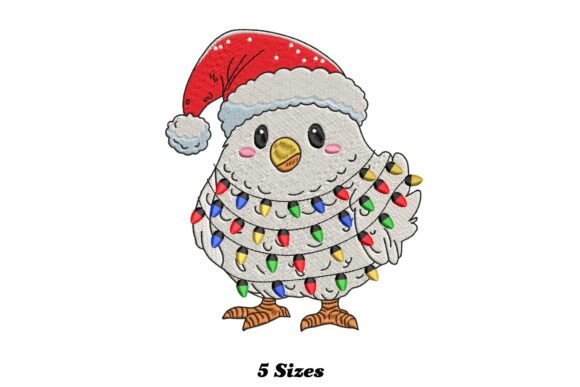
The name alone suggests a playful narrative. "Lighting Chicken" implies movement, perhaps a bird in mid-stride or a quirky character holding a festive element. Visually, the design strikes a balance between cute and detailed. It doesn’t rely on overly complex shading but instead uses clean lines and distinct shapes to create recognition. This is crucial for embroidery because clarity wins over complexity every time.
In terms of mood, it feels lighthearted and approachable. It isn’t trying to be high-art or somber; it is designed to make people smile. For a designer, this translates to a product that feels accessible. It works well for casual wear, children’s items, and cozy home decor. The visual personality is confident enough to stand alone without needing excessive text or background elements to prop it up.
Real-World Application: Where Does It Fit?
I tested the concept of Lighting Chicken Christmas across several common product categories to see where it truly shines. Here is how it behaves in actual production scenarios.
Custom Apparel and Sweatshirts
This design has excellent potential for sweatshirt embroidery. The central placement on a heavyweight cotton fleece allows the stitches to sink in nicely, creating a soft, integrated look. Because the theme is seasonal, it fits perfectly into autumn and winter collections. For Etsy sellers, this is a strong candidate for "Holiday Gift" listings. The humor of a chicken lighting something (or perhaps being lit by lights) adds a conversational hook that customers love when browsing handmade shops.
Tote Bags and Canvas Projects
A tote bag design needs to be bold. If the Lighting Chicken Christmas file has moderate stitch density, it will hold its shape beautifully on canvas. However, if the design includes tiny, intricate details, you might lose definition on coarse fabric. I recommend using a sturdy cut-away stabilizer behind the canvas to prevent puckering. This combination creates a durable handmade product that can withstand frequent washing—a key selling point for parents buying school bags or grocery totes.
Baby Items and Nursery Decor
There is a growing market for gentle, non-cliché holiday items for babies. Instead of traditional Santa motifs, a quirky chicken design offers a unique alternative. On onesies or burp cloths, the design should appear smaller and softer. If the file allows for resizing, it works wonderfully as a chest-sized logo on baby bodysuits. Parents appreciate designs that feel modern and less mass-produced. This adds value to your small shop product line.
Patches and Caps
For an embroidered patch, the outline of the chicken must be clean. Satin stitch borders help protect the edges and give a professional finish. If you are applying this to caps, remember that curved surfaces can distort circular or wide designs. Ensure the aspect ratio of the Lighting Chicken Christmas file fits within a standard 4x4 or 5x7 hoop without stretching too much. A well-executed cap patch can become a signature item for your brand.
Technical Performance and Stitch Clarity
As an experienced reviewer, I pay close attention to stitch types. Does the design use a mix of satin stitch for outlines, fill stitch for body coverage, and running stitch for fine details? A good machine embroidery design balances these to minimize thread breaks and tangling.
If the design features dense fill areas, check the stitch density. High density on thin fabrics like jersey or silk can cause bubbling or visible backing through the front. In such cases, switching to a lighter mesh stabilizer or reducing the fill percentage (if you have editing software) can save the project. Conversely, if the design is too sparse, it may look flimsy on heavy denim or towels.
Thread color contrast is another critical factor. On dark fabrics, you need bright, opaque threads to ensure the chicken stands out. On light fabrics, pastel or muted tones might work better to maintain the soft aesthetic. Always test your thread colors against your actual fabric before committing to a full run.
Where to Exercise Caution
No design is perfect for every surface. There are specific situations where Lighting Chicken Christmas might struggle:
- Small Hoop Sizes: If the design exceeds the limits of a 4x4 hoop, resizing it too small can merge separate elements together, turning distinct features into a muddy blob.
- Textured Fabrics: Bouclé wool or heavily ribbed knits can hide fine details. Stick to smoother fabrics like cotton twill or fleece for best results.
- Stretchy Fabrics: Without proper stabilization, stretchy materials like leggings or swimwear can distort the design during stitching. Use a tear-away or water-soluble stabilizer specifically designed for knits.
- Dense Stitch Areas: Avoid placing dense sections on curved surfaces like the brim of a hat, as the needle may not penetrate evenly, leading to skipped stitches.
Practical Designer Notes for Success
Before you start producing finished products, follow these steps to ensure quality:
- Test on Scrap Fabric: Never assume a design will work perfectly. Stitch it out on the exact fabric you plan to sell. Check for puckering, thread tension issues, and alignment.
- Review Stitch Density: Look at the digital preview. Are there large blocks of fill that could take hours to stitch? Consider simplifying if you want faster turnaround times for your craft business.
- Check Black and White Mockups: Convert the design to grayscale to see if the contrast holds up. If the details disappear in black and white, they will likely get lost in color on the fabric.
- Confirm Licensing: If you plan to sell finished items, verify the commercial license terms. Some digital embroidery files allow personal use only, while others permit limited commercial sales. Clear licensing protects your Etsy seller account and reputation.
- Inspect Small Details: Zoom in on the digital file. Are the eyes clear? Is the tail defined? Tiny details often fail in production if the machine lacks precision or the fabric is unstable.
Final Verdict
Lighting Chicken Christmas is a versatile and charming addition to any holiday collection. Its playful nature makes it ideal for personalized gifts, custom apparel, and holiday embroidery projects. It succeeds because it prioritizes readability and charm over unnecessary complexity. By testing it carefully on appropriate fabrics and respecting the technical limits of your machine, you can create embroidery project outcomes that delight customers and strengthen your brand.
Whether you are creating a single gift for a friend or building a catalog of design assets for your online store, this design offers a solid foundation for creative expression. Just remember to stabilize properly, choose your threads wisely, and let the whimsy of the chicken shine through. Happy stitching!