Layered Christmas Gift Tags: A Designer’s Real-World Embroidery Review
When I first opened the folder for Layered Christmas Gift Tags, my initial reaction wasn’t about the holiday theme itself, but rather the structural integrity of the design. As a designer who has stitched thousands of files for clients and personal projects, I know that "cute" doesn't always mean "stitchable." This file from Winter Amp caught my eye because it promises depth through layering, a technique that can either elevate a simple tote bag or create a tangled mess if the stitch density isn't managed correctly. Today, I’m putting aside the marketing fluff to look at this design as a working tool. Will it hold up on a busy craft fair table? Will it survive a wash cycle on a baby onesie? Let’s break down the practical realities of using this embroidery file in your next project.
First Impressions: Mood and Visual Personality
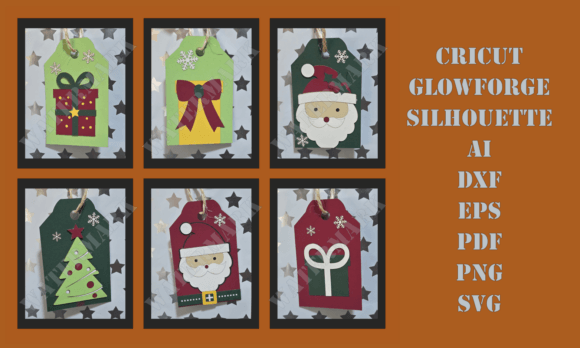
The moment you preview Layered Christmas Gift Tags, you get a distinct sense of nostalgia mixed with modern minimalism. It doesn’t scream for attention with neon threads or overly complex scenes; instead, it whispers warmth. The layered aesthetic suggests a tag that might be tied onto a package, evoking the tactile pleasure of unwrapping a handmade gift. For an Etsy seller or small shop owner, this visual personality is gold. It fits seamlessly into the current trend of cozy, rustic, and personalized holiday decor.
Visually, the layout feels balanced. There is enough negative space to prevent the design from looking cluttered, which is crucial when working with smaller hoop sizes. The shape itself—likely mimicking a classic hangtag—offers a clean canvas for the stitching details. However, the "layered" aspect implies multiple elements sitting on top of one another. In digital mockups, this looks fantastic. In real life, it requires careful planning regarding thread colors and stabilizer choice to ensure those layers don't merge into a muddy blob after stitching.
Real-World Application: Where This Design Shines
I’ve been thinking about how Layered Christmas Gift Tags would perform in specific, high-demand product categories. Here is where I see the most potential for success:
- Custom Apparel and Sweatshirts: Placing this design on the chest of a crewneck sweatshirt or the pocket of a hoodie creates an instant focal point. Because the design is likely compact, it works beautifully as a standalone graphic without overwhelming the garment. It adds a touch of seasonal flair that feels intentional rather than tacky.
- Tote Bag Designs: This is perhaps the strongest use case. Imagine a sturdy canvas tote embroidered with these tags near the handle. It transforms a basic shopping bag into a boutique-worthy accessory. The design’s theme aligns perfectly with the utility of a tote, suggesting gifting, shopping, and community.
- Baby Embroidery and Nursery Decor: Soft fabrics like muslin or fleece require gentle handling. If the stitch density of this file is moderate, it will look charming on a baby blanket or a burp cloth. The tag motif is gender-neutral and timeless, making it a safe bet for personalized gifts that parents won’t outgrow immediately.
- Embroidered Patches and Aprons: For the home baker or hostess, adding this to a kitchen towel or apron front adds a professional finish. It signals that the item was made with care. When paired with a satin border, it elevates the perceived value of the finished product.
In these scenarios, the design acts as a brand builder. When customers see a consistent, well-executed motif like this, they trust the maker’s skill. It says, "I pay attention to detail."
Technical Considerations and Stitch Clarity
Let’s talk about the mechanics. The term "layered" often raises red flags regarding stitch count and fabric distortion. If this design relies heavily on dense fill stitches to create shadows or depth, you need to be cautious. On thin fabrics, such as lightweight t-shirts or sheer curtains, dense stitching can cause puckering. To avoid this, always use a proper cut-away stabilizer for woven fabrics or a tear-away for stable knits, depending on the fabric weight.
Thread color contrast is another critical factor. Layered designs often use subtle shading to create dimension. If you are stitching this on dark fabric, ensure your thread selection provides enough contrast so the layers remain distinct. Conversely, on light backgrounds, avoid threads that are too similar in tone unless you are aiming for a tonal, low-profile look. I recommend testing your thread colors on scrap fabric that matches your final product material. This step alone can save you hours of frogging (un-stitching) later.
Also, consider the hoop size. If the design is intended to be small, ensure your machine’s hoop can accommodate it without cutting off any essential details. Tiny lettering or intricate corner details can sometimes get lost if the resolution isn't high enough. Inspect the digitizing closely for any tiny running stitches that might break during the embroidery process.
Where to Use Carefully: Potential Pitfalls
While versatile, Layered Christmas Gift Tags is not a one-size-fits-all solution. There are specific situations where you should exercise caution:
- Textured Fabrics: Avoid placing this on bouclé, heavy tweed, or highly textured knits. The uneven surface can cause needle deflection, leading to misaligned stitches and blurred details.
- Stretchy or Thin Fabrics: Without adequate support, stretchy materials like jersey or thin synthetics may pucker around the design area. Always test on a scrap piece first.
- Curved Surfaces: While caps and hats are popular, applying a flat, layered design to a curved brim can be tricky. The perspective shift might distort the "tag" shape, making it look skewed. Flat surfaces like tote bags or pillow covers are safer bets.
- Frequent Washing: If the end product is meant for daily wear or heavy use, check the durability of the stitch types. Excessive satin stitches can fray over time if not backed properly. Ensure the design is robust enough for its intended lifespan.
Designer’s Checklist for Success
Before you commit to mass-producing items with this file, follow these practical steps to ensure professionalism and customer satisfaction:
- Test on Scrap Fabric: Never skip this step. It reveals how the fabric reacts to the stabilizer and thread tension.
- Review Stitch Density: Look for areas where stitches might overlap excessively. High density can make the fabric stiff and uncomfortable.
- Check Licensing: If you plan to sell finished products or digital mockups, confirm the commercial use rights. Some digital embroidery files have restrictions on the number of units you can sell.
- Create Black and White Mockups: View your design in grayscale to check contrast levels. This helps identify if the layers will blend together unintentionally.
- Inspect Small Details: Zoom in on the digitizing. Are there any loose ends or unnecessary jumps that could snag?
Final Verdict: A Strong Asset for Holiday Collections
Layered Christmas Gift Tags is a thoughtful, well-composed design that offers significant value for both hobbyists and professionals. It strikes a balance between decorative charm and technical feasibility. For the craft business owner, it provides a ready-made aesthetic that resonates with holiday shoppers. For the creative entrepreneur, it offers flexibility across various product lines, from apparel to home decor.
Its strength lies in its simplicity and thematic relevance. It doesn’t try to do too much; it simply presents a beautiful, layered tag that invites the viewer to imagine the gift inside. By paying attention to fabric choice, stabilizer usage, and thread contrast, you can transform this embroidery file into a standout product that builds trust and drives sales. Just remember to respect the technical limits of the design, and it will reward you with consistent, high-quality results.
If you are looking to add a touch of elegance to your winter collection, this design deserves a spot in your library. It’s practical, pretty, and poised to become a favorite among your customers. Happy stitching!