Christmas Leaf Embroidery Design Review
As a designer who spends more time staring at stitch density charts and fabric swatches than I care to admit, I approach every new embroidery file with a healthy dose of skepticism. The market is flooded with generic clip art disguised as digitized art, so finding a design that actually translates well from screen to hoop is rare. Recently, I pulled the Christmas Leaf Embroidery Design into my workflow to test its viability for real-world applications, specifically targeting holiday collections for small businesses and personalized gift markets.
This isn’t just another festive motif; it’s a study in how botanical elements can anchor a seasonal aesthetic without feeling cluttered. Below is my practical breakdown of how this design performs in production, where it shines, and where you might want to exercise caution before committing to a large run.
First Impressions and Visual Personality
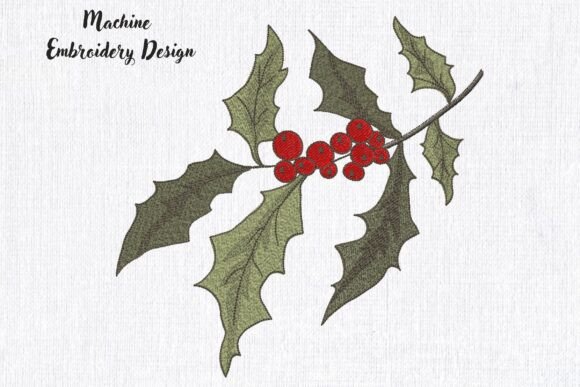
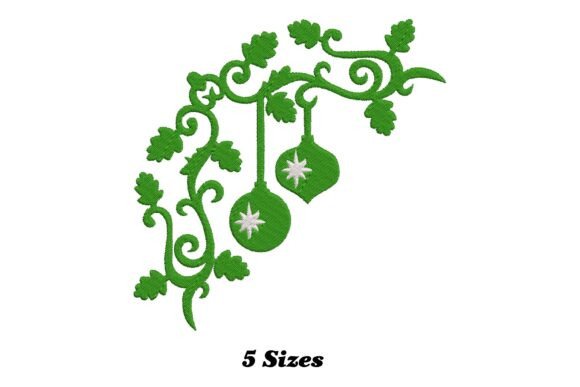
The immediate appeal of the Christmas Leaf Embroidery Design lies in its restraint. Unlike many holiday designs that rely on heavy saturation or chaotic layouts, this piece leans into the elegance of natural forms. The leaf shapes provide a strong structural backbone, creating a visual rhythm that feels organic rather than forced. When I first opened the file, I appreciated the clear separation between elements, which suggests a thoughtful digitization process focused on stitch direction and flow.
The mood it creates is one of understated warmth. It doesn’t scream "holiday" with neon greens and reds; instead, it whispers it through silhouette and suggestion. This makes it incredibly versatile. It fits seamlessly into a modern farmhouse aesthetic, a minimalist boutique collection, or even a high-end nursery line. For designers looking to move away from cliché snowmen and Santa suits, this design offers a sophisticated alternative that still clearly communicates the season.
Real-World Application: From Hoop to Product
I put this design through its paces by imagining it on several common handmade product categories. Here is how it translates:
- Custom Apparel and Sweatshirts: On a heavyweight cotton sweatshirt, the leaf motifs would look particularly striking. The structure of the leaves holds up well against thicker fabrics, providing a nice contrast to the soft texture of the knit. I envision this placed centrally on the chest or as an all-over print pattern if the file allows for tiling.
- Tote Bags and Canvas Goods: A tote bag design featuring this embroidery is a no-brainer for craft fairs. The clean lines of the leaves stand out beautifully against canvas, especially when paired with metallic gold or deep forest green threads. It elevates a simple tote into a statement accessory.
- Baby and Nursery Items: Because the design avoids overly sharp or aggressive angles, it works exceptionally well for baby embroidery. Think onesies, burp cloths, or crib bumpers. The gentle curves of the leaves are safe and soothing, making it a perfect choice for holiday gifts for newborns.
- Kitchen Textiles: Tea towels and aprons are staple items for any craft business. This design adds a touch of class to kitchen linens. It’s functional yet decorative, appealing to buyers who want their holiday decor to feel lived-in and cozy rather than staged.
Performance in Stitching and Clarity
From a technical standpoint, the execution of the machine embroidery design is solid. The use of satin stitch for the outlines provides crisp definition, while the interior fills appear balanced—not too dense to cause puckering, but not so sparse that the backing shows through.
However, the success of this project hinges heavily on your choice of thread colors and fabric texture. If you are working with a heathered or textured fabric, ensure that the thread weight is sufficient to cover the base material. Thin threads may get lost in the weave, diminishing the impact of the design. I recommend testing on scrap fabric first to verify that the stitch density holds up under tension.
One area where this design truly excels is in its adaptability to different color palettes. While traditional red and green are obvious choices, the monochromatic potential here is huge. White-on-white or cream-on-beige variations can create a luxurious, tonal effect that appeals to customers seeking subtle elegance. Conversely, using bold, contrasting colors can make the design pop for a more energetic, festive vibe.
Where to Exercise Caution
No design is universally perfect, and there are specific scenarios where the Christmas Leaf Embroidery Design requires careful consideration:
- Small Hoop Sizes: If you are attempting to digitize this for very small areas, such as a name tag or a tiny pocket placement, you may lose detail. Ensure your hoop size accommodates the full width of the leaf cluster without unnecessary trimming.
- Stretchy Fabrics: Avoid using this on highly stretchy materials like spandex blends without proper stabilization. The rigid nature of the satin stitches could restrict movement or cause distortion during wear.
- Dense Stitch Areas: If the design includes overlapping leaves, be mindful of bulk. Too many layers of thread in one spot can make the finished product stiff and uncomfortable, especially on apparel that needs to drape naturally.
- Curved Surfaces: While it works on flat surfaces like aprons, applying this to curved items like caps or hats requires precise mapping. Distortion on a curve can warp the organic shape of the leaves, making them look unnatural.
Strategic Advice for Sellers and Makers
For Etsy sellers and small shop owners, this design offers a strong foundation for building a cohesive holiday brand. It is not just a standalone image; it is a design asset that can be integrated into a broader collection. Consider pairing it with complementary elements like berries or simple geometric borders to create variety.
When marketing these products, focus on the quality of the finish. Show close-up shots of the stitching to demonstrate clarity and durability. Customers are increasingly savvy; they want to know that the embroidery project they are buying will withstand washing and wear. Highlighting the use of proper stabilizer techniques in your product descriptions can build trust and justify premium pricing.
Before launching a commercial line, remember to check the licensing terms associated with the digital embroidery file. Some creators allow unlimited commercial use, while others restrict the number of sold items. Clear communication about these terms protects both you and your customer.
Final Verdict
The Christmas Leaf Embroidery Design is a reliable, aesthetically pleasing addition to any digitizer’s library. It strikes a balance between festive cheer and professional polish, making it suitable for a wide range of commercial embroidery projects. Whether you are creating personalized gifts, boutique merchandise, or digital mockups for clients, this design delivers visual appeal and stitching integrity.
My recommendation? Test it thoroughly. Play with different thread combinations, experiment with various fabrics, and see how it interacts with your existing design assets. If you handle it with care and attention to detail, this leaf motif has the potential to become a bestseller in your holiday catalog. It is a testament to the fact that sometimes, less is indeed more, and nature provides the best inspiration for seasonal design.